
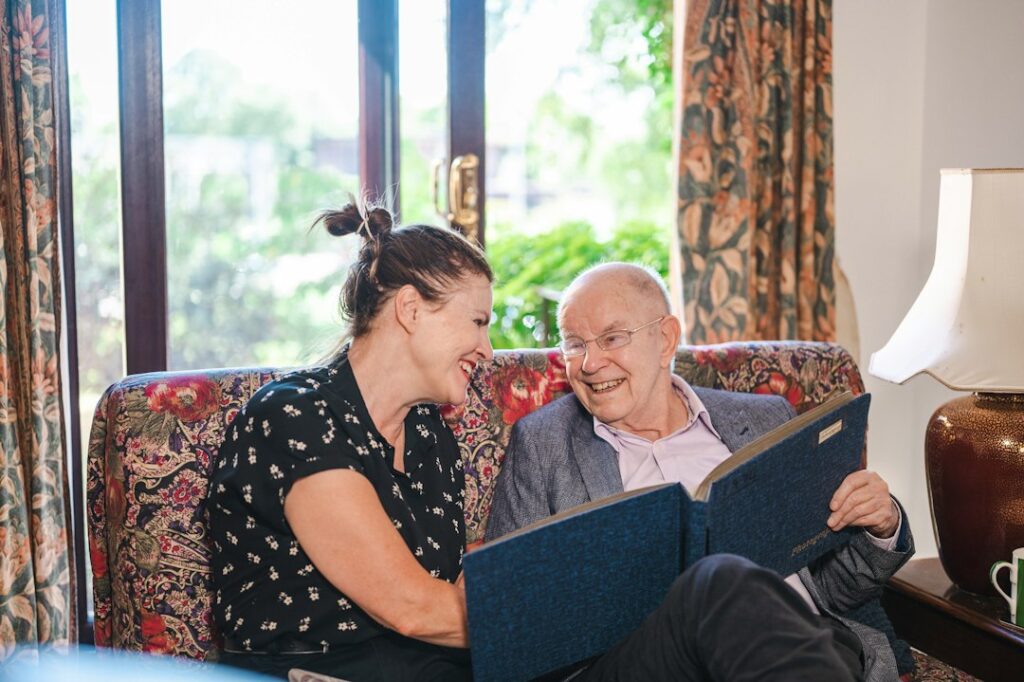
Personalized care plans help assisted living residents receive support based on their actual needs, preferences, abilities, and goals. Rather than treating every resident alike, a care plan gives family members and caregivers a shared understanding of what assistance is needed, what independence should be encouraged, and how care may change over time.
What is a personalized care plan?
A personalized care plan is a written, regularly updated description of a resident’s care needs and daily routines. It may cover health concerns, mobility, medications, personal care, meals, activities, communication preferences, and safety considerations.
The plan should reflect the individual rather than simply listing a diagnosis. Two people with the same medical condition may need very different types of assistance. One person may need reminders and supervision, while another may require hands-on help with dressing, bathing, or walking.
A useful plan often includes:
- The resident’s strengths and abilities
- Areas where assistance is needed
- Preferred routines and personal habits
- Physical, emotional, and social goals
- Communication needs
- Dietary considerations and food preferences
- Mobility and fall-prevention needs
- Medication-related instructions
- Emergency information
- Signs that may indicate a change in condition
The most effective plans are practical. They explain how care should be provided, not only what condition a resident has.
Why does individualized care matter in assisted living?
Individualized care supports both safety and independence. A resident may receive help with difficult tasks while continuing to make choices about clothing, meals, bedtime, activities, and personal routines.
This balance matters because too much assistance can reduce confidence and ability. Too little assistance can create avoidable risks. A personalized plan helps caregivers provide the right level of support without assuming that a resident cannot do something independently.
For example, a resident who walks safely with a cane may need supervision outdoors during icy weather but may not need help moving around indoors. Another resident may need reminders to use a walker, even if physical strength is adequate. These differences should be clearly understood by everyone involved in daily care.
Personalized planning can also reduce confusion among family members and caregivers. When expectations are written down, residents are less likely to receive inconsistent instructions or unnecessary help.
What information should families provide?
Family members often know details that may not appear in a medical record. Sharing those details can make a plan more accurate and more respectful.
Helpful information may include:
- How the person usually starts and ends the day
- Names used for familiar objects or activities
- Foods that are enjoyed, avoided, or difficult to eat
- Past work, hobbies, faith practices, or interests
- Typical signs of stress, pain, fear, or confusion
- Preferred ways to receive reminders
- Important personal boundaries
- Strategies that have helped during difficult moments
- Changes in sleep, appetite, mood, balance, or memory
A resident’s history can guide care in meaningful ways. Someone who has always valued privacy may respond poorly to rushed personal care. Someone who prefers a quiet morning may be more cooperative if bathing or dressing is offered later. These are not minor details; they can affect comfort and participation.
Residents should be included in planning whenever possible. If decision-making ability changes, family members or legally authorized representatives may help communicate preferences while still respecting the resident’s dignity.
How often should a care plan be reviewed?
A care plan should be reviewed routinely and whenever a meaningful change occurs. A review may be needed after a fall, hospital stay, medication change, illness, noticeable memory decline, weight change, or shift in mood or behavior.
Seasonal conditions may also affect care needs in Old Forge, PA. Cold temperatures, snow, ice, shorter daylight hours, and indoor activity changes can affect walking safety, transportation, clothing choices, hydration, and opportunities for social engagement. A resident who manages well during warmer months may need additional reminders or supervision during winter conditions.
Reviews should ask practical questions:
- Is the current level of help still appropriate?
- Has the resident gained or lost an ability?
- Are there new safety concerns?
- Is the resident participating in preferred activities?
- Are meals and fluids adequate?
- Has communication with family become more difficult?
- Does the resident appear comfortable with the current routine?

A plan that is never updated may become inaccurate. Care needs are not fixed, and written instructions should reflect current abilities rather than an earlier point in time.
How do care plans protect personal choice?
A care plan should describe preferences, not turn ordinary routines into rigid rules. Residents may want choices about clothing, meals, bathing times, visitors, activities, and how assistance is offered.
Choice can be built into everyday care. For example, a resident might choose between two outfits, decide whether to attend an activity, or select a preferred time for a shower. These decisions help maintain control and identity.
The language used in a plan also matters. Clear, respectful wording is preferable to labels that define a person by a diagnosis or behavior. Describing what a resident needs and what approaches work best is more useful than using vague terms such as “difficult” or “noncompliant.”
Care planning should also recognize the resident’s right to decline assistance when the situation is not an immediate safety concern. Refusal may signal pain, embarrassment, fatigue, fear, confusion, or a desire for greater control. Understanding the reason can lead to a better approach than simply repeating the same request.
What are common problems with care plans?
A care plan may be less useful if it is too general, outdated, or focused only on medical tasks. Statements such as “assist as needed” do not explain how much help is appropriate or what the resident can still do independently.
Other warning signs include:
- Instructions that conflict with one another
- No information about the resident’s preferences
- Failure to describe changes in mobility or memory
- Care instructions that family members do not understand
- Routines that ignore sleep, appetite, or emotional well-being
- No clear process for reporting changes
- A plan that is written once but rarely discussed again
Families can ask for explanations in plain language and confirm who should be notified when a resident’s condition changes. Keeping a current medication list and sharing relevant medical updates can also help prevent gaps in communication.
How can families participate without taking over?
Families are most helpful when they provide information, listen to the resident, and focus on shared goals. Participation does not require directing every daily decision. It may involve attending care-plan discussions, observing changes during visits, asking respectful questions, and identifying patterns that caregivers may not see.
Useful questions include:
- What can the resident do independently?
- What type of assistance is needed?
- What changes should be reported promptly?
- How are falls, appetite, sleep, and mood being tracked?
- What helps the resident feel calm and respected?
- When will the plan be reviewed again?
Good care planning is a continuing conversation among the resident, family, and care team. Its purpose is not simply to document tasks. It is to help the resident remain as safe, capable, comfortable, and involved in daily life as possible.
